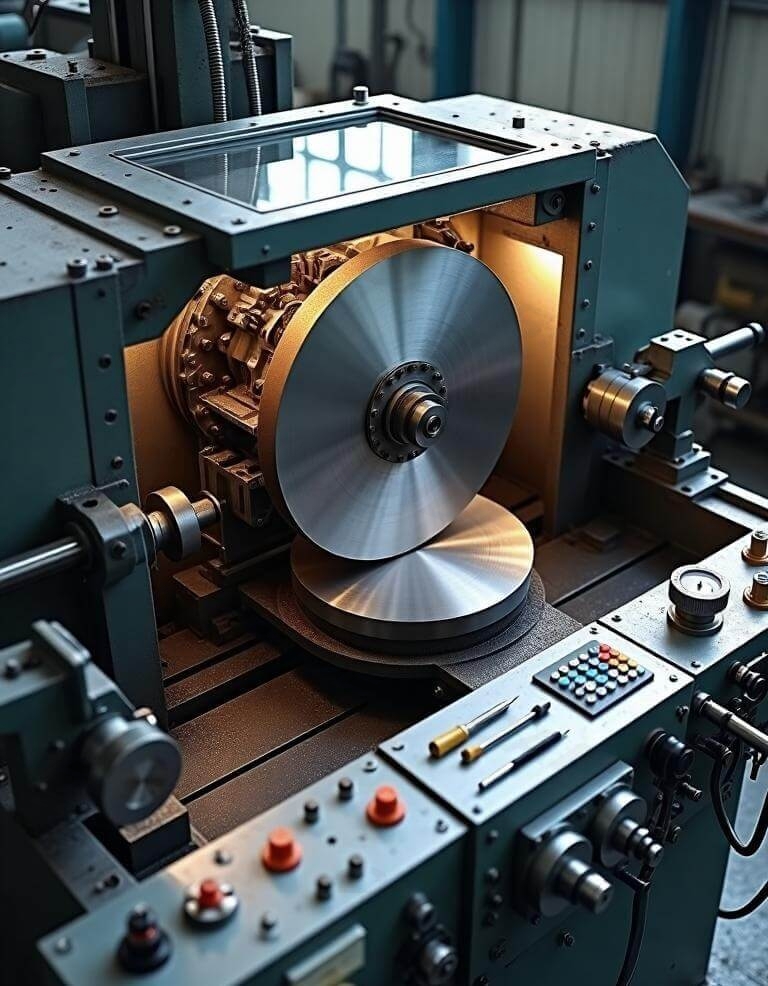
The Influence of Tungsten Carbide Grade on the Mechanical Workshops
Whether you are cutting, shaping, drilling, or milling, the suitable material can bring significant changes in the operations of the machining workshop. Not all the metals perform same in the high requirements conditions. High strength metals, such as tungsten carbide, which is very wear resistance, can save a lot of time for replacement.
Customization can decrease the cost. The one of advantages of tungsten carbide is customized the grade according to using condition, different proportions of WC and cobalt have different properties. Less cobalt grade, like YG3(3%Co, 97%WC), is for wear resistance, but it’s very brittle, cannot use in the impact conditions. More cobalt grade, like YG30(30%Co, 70%WC), usually for the impact conditions, but their wear resistance isn’t so good as the lower cobalt grade. Higher cobalt grade is widely used to make the punches and rollers, etc.
Therefore, understanding the specific requirements of each machining operation is key to selecting the right tungsten carbide grade. For applications involving high-speed cutting, finishing, or machining of abrasive materials, a lower cobalt grade such as YG6 or YG8 is often recommended, as it offers excellent wear resistance and maintains a sharp cutting edge for longer periods. This reduces tool changes and improves production efficiency.
On the other hand, for operations that involve heavy impacts, interrupted cuts, or significant mechanical shock—such as in punch forming or roller milling—higher cobalt grades like YG20 or YG25 are more suitable. The increased cobalt content enhances toughness and crack resistance, preventing premature tool failure even under severe conditions.
In addition to cobalt content, the grain size of tungsten carbide particles also affects performance. Fine-grain carbides provide higher hardness and edge strength, making them ideal for precision machining and micro-drilling. Coarse-grain variants, while slightly less hard, offer better thermal shock resistance for roughing operations.
In summary, tungsten carbide is not a one-size-fits-all solution, but when matched correctly to the application, it becomes one of the most valuable materials in modern mechanical workshops.